
 HISTORY
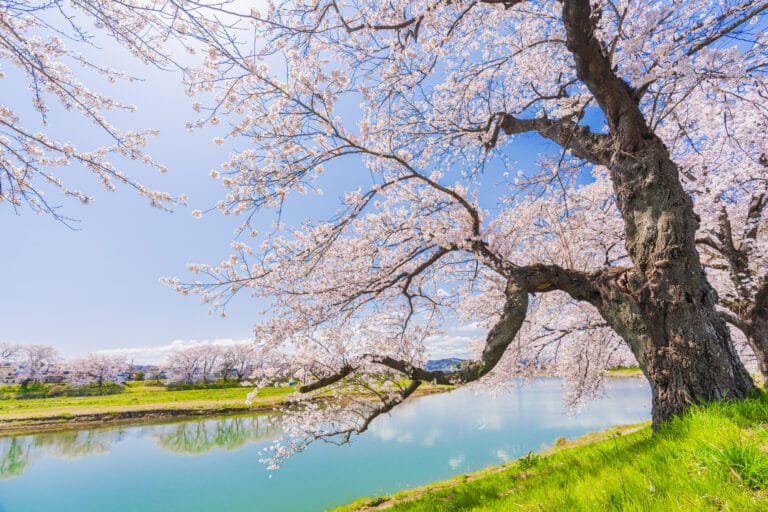
How Sakura Blossoms Gained Cultural Significance in Japan
The sakura (cherry blossom) is practically synonymous with Japan. Here's a deeper look at the history of this fascinating flower's popularity
Page 6
UJ's history coverage spans more than a millennium: from Kofun-era burial statues to Cold War adoption politics to twenty-first-century disputes over who counts as indigenous. The pieces here don't treat history as background. They treat it as the still-active substrate beneath today's headlines.
We don't have much interest in the version of Japanese history that reads as aesthetic spectacle: samurai as noble archetypes, the Edo period as a golden age, geisha as ornament. What we look for instead is the pressure points: the places where official memory and lived experience diverge. Our sources include Japanese-language historians, English language scholarship on Japan, local archives, and the communities most affected by the events being described.
We love to talk about anything and everything in Japanese history. (Especially our Editor-in-Chief Noah Oskow, whose knowledge surpasses the word "encyclopedic.") For example, we write a lot about the Ainu people's dispossession and their ongoing fight for recognition runs from profiles of early twentieth-century Ainu poet-activists to live coverage of Sapporo permitting denial exhibits in 2024.
The long tail of wartime violence (the disinformation campaigns that preceded the Kanto Massacre, the cultural losses of the Pacific War in Okinawa, the mixed-race children funneled through Cold War adoption networks) is something we visit regularly. So does the history of how areas like Tokyo's Shinjuku evovled from their pre-city origins through occupation-era reconstruction. And throughout, figures who didn't make the standard history books - such as a geisha who brought down a prime minister, a high schooler whose village exiled her for exposing corruption, and a journalist who hated every minute of being an astronaut.
HISTORY
The sakura (cherry blossom) is practically synonymous with Japan. Here's a deeper look at the history of this fascinating flower's popularity
 HISTORY
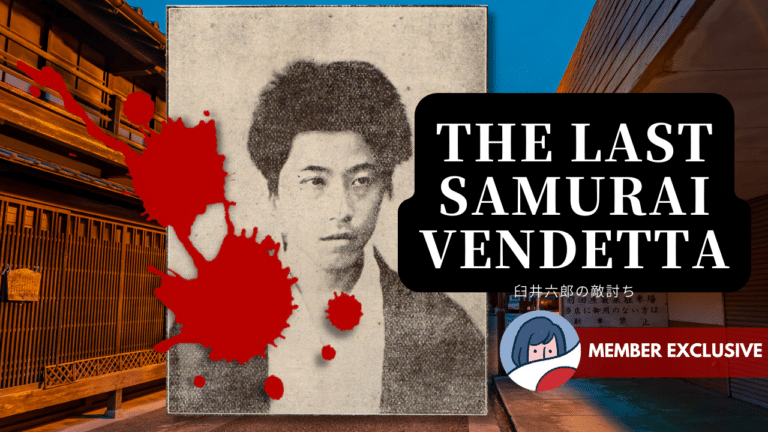
In 1873, the newly-minted Meiji government banned the age-old practice of kataki-uchi: blood revenge. Seven years later, the son of a murdered…
 HISTORY
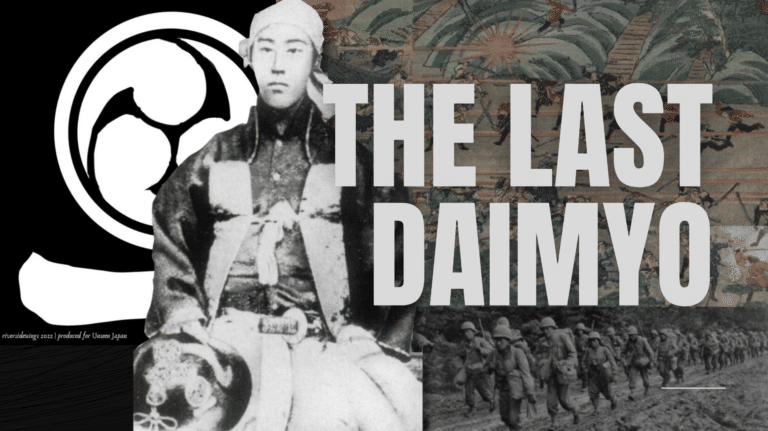
Amidst the backdrop of World War II's start, one last survivor of the old Edo period order died. Who was Hayashi Tadataka,…
 HISTORY
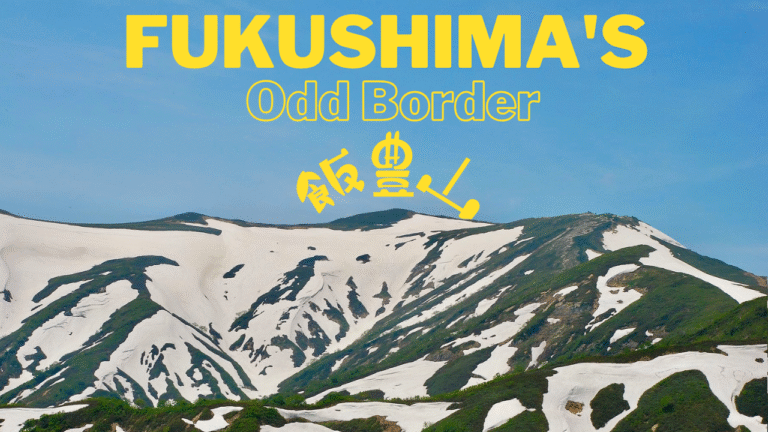
In western Fukushima Prefecture, an odd salient of territory extends, wedged between Niigata and Yamagata Prefectures. So why is it there?
 HISTORY
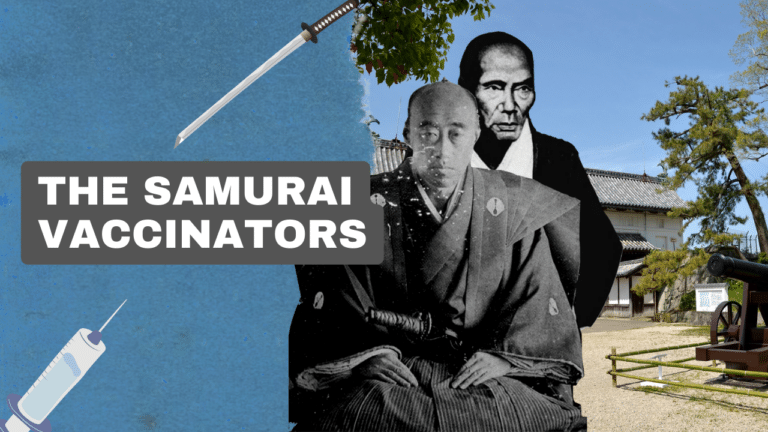
Faced with an epidemic, a forward-thinking group of doctors and samurai leaders launched a successful vaccination campaign in late Edo Japan.
 HISTORY
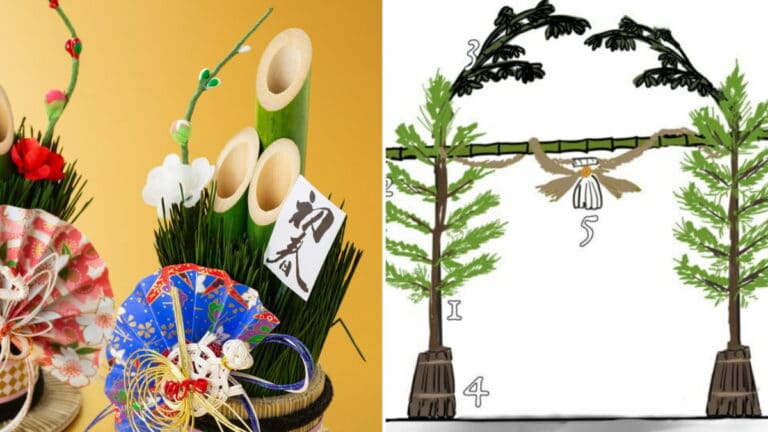
You may have heard of kadomatsu, Japan's traditional New Year decoration. But did you know of this old-school variation from the Edo…
 HISTORY
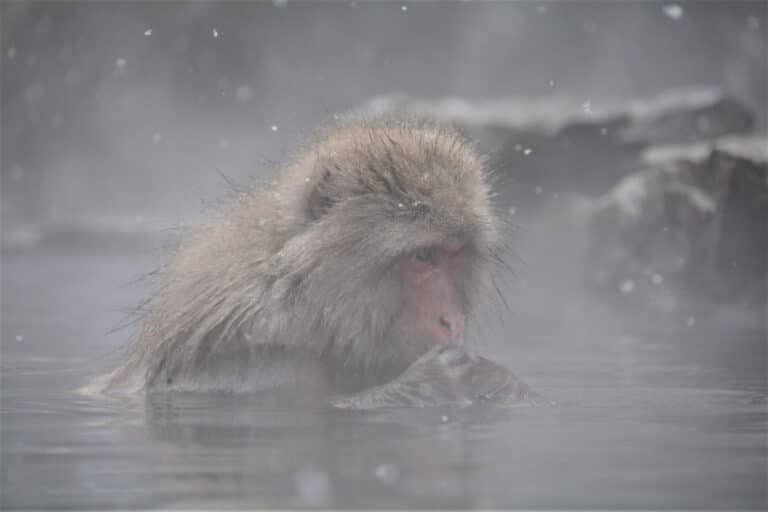
They were a part of Japanese folklore for centuries before they enjoyed international fame. Learn more about Japan's snow monkeys.
 HISTORY
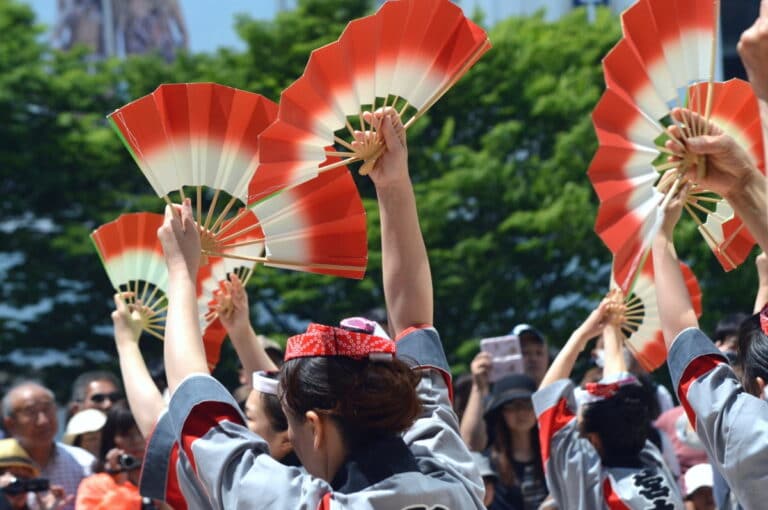
The Tohoku region's endured a lot over the past 200 years. How five rich folk traditions capture the durability and diversity of…