
 SOCIETY
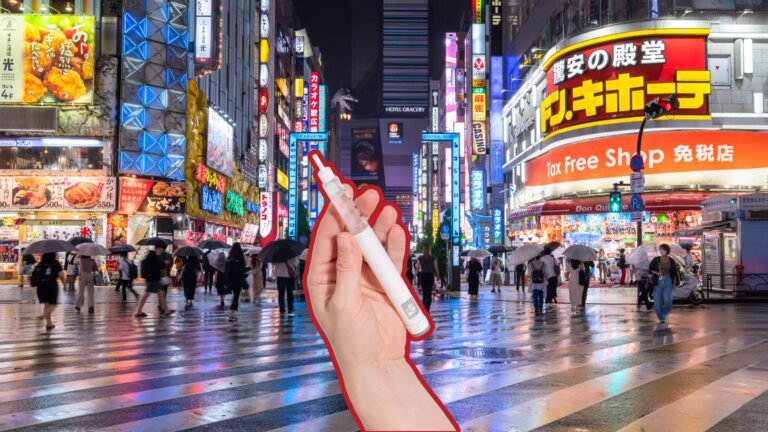
Illicit GLP-1 Trade Thrives Among Kabukicho’s Toyoko Kids – and Across Japan
GLP-1 drugs aren't approved for dietary use in Japan. That's led to a thriving black market in the streets of Tokyo and…
Our society section covers the systems, policies, and social forces that shape daily life for people living in Japan - from immigration law and public health to demographic policy, workplace culture, and the treatment of marginalized communities. This is one of the broadest categories on this site because few aspects of Japanese life are untouched by the pressures of demographic change, labor shortages, and shifting social norms.
English-language coverage of Japan often defaults to cherry blossoms and bullet trains. We report on more structural themes. Our sourcing starts in Japanese - court documents, academic surveys, municipal records, Japanese-language journalism. We center voices that rarely appear in wire-service stories: immigrant workers navigating hostile visa rules, disabled students fighting for basic accommodations, persecuted foreign resident communities like the Kurdish population in Kawaguchi explaining their situation in their own words.
Several threads run persistently through our reporting. Japan's population crisis appears repeatedly, but not as an abstraction. We trace it through nursery school closures, the social exhaustion of singles facing marriage pressure, and the contradictions of a "bachelor tax" that generates more backlash than babies. Immigration is another constant: who gets to stay, under what conditions, and how hostility gets manufactured from misinformation, whether around a Kitakyushu school-lunch rumor or fears about a government initiative involving Africa.
We also write a lot about public health: an ADHD medication shortage that hits rural patients hardest, a black market in weight-loss drugs in Kabukicho, vaccine hesitancy sustained by government missteps. Across all of this, we document the gap between Japan's stated commitments - to disability rights, to Fukushima decontamination, to workplace safety - and what actually happens to the people those commitments were supposed to protect.
SOCIETY
GLP-1 drugs aren't approved for dietary use in Japan. That's led to a thriving black market in the streets of Tokyo and…
 SOCIETY
The new capital requirement for the business manager visa is too high a hurdle for many legitimate, profitable, and law-abiding businesses.
 SOCIETY
It's especially bad news for users who live outside of major cities, where the medication can be harder to obtain.
 SOCIETY
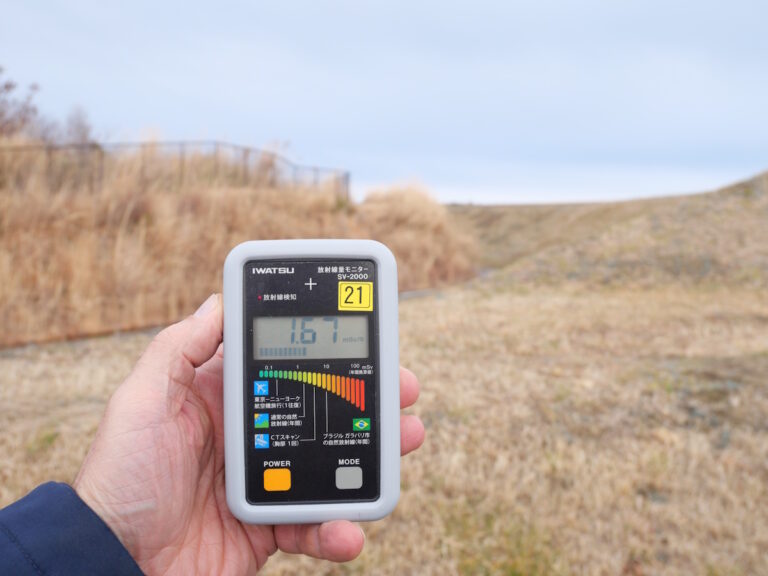
Japan says it's dedicated to decontaminating the land spoiled by the Fukushima nuclear accident. But most residents still haven't returned.
 LIVING IN JAPAN
The new levy is intended to secure the country's future - but some are calling for the agency that instituted it to…
 SOCIETY
With a dwindling workforce, Japan is increasingly dependent on foreign workers to care for its rapidly aging population.
 SOCIETY
As Japan's population continues to decline, many singles say the pressure to get hitched is taking a toll.
 SOCIETY
A combination of government missteps and online disinformation has steadily eroded public trust in the life-saving practice.